
AI + engineering · Physical + biological work
Intelligence.
Put to
physical work.
AI and engineering for lab, instrument and manufacturing workflows. Start with one costly bottleneck and a scoped study of what can improve.
Discuss a workflowStart with one bottleneck. Leave with a next step.
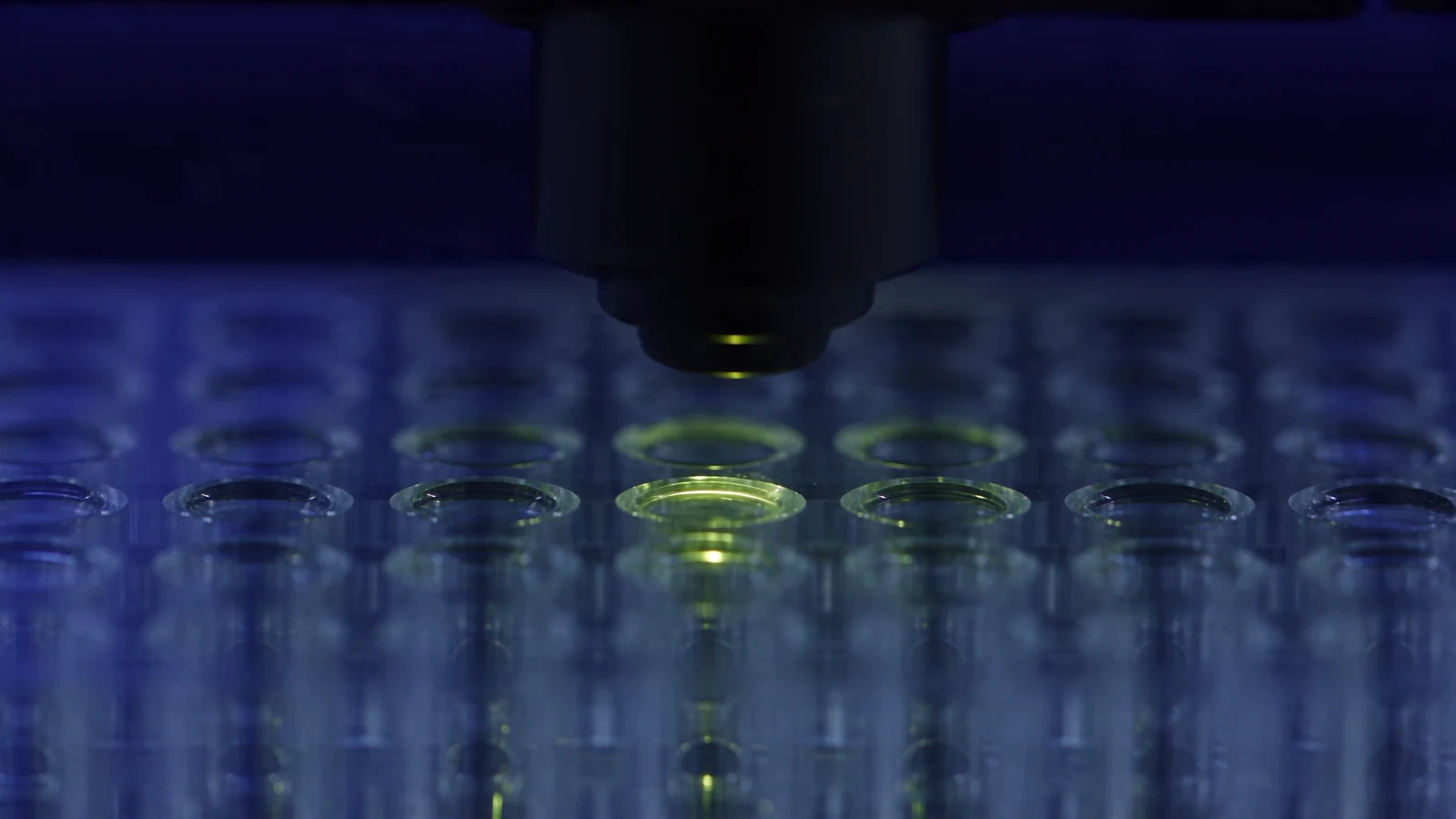
to something that works.
01 / Where we help
The bottleneck is where
the work gets interesting.
Repeated runs. Manual handoffs. Results that are hard to trace. Start where an engineering improvement could change the cost, time or reliability of a real job.
More time on the experiment.
Less on the handoff.
Explore a defined engineering problem around test execution, instrument data or the path from a run to a reviewable result.
Explore engineering feasibility Workflow & data feasibilityMove a useful workflow
into everyday operation.
Connect quality, engineering or supplier work to the systems, permissions and people needed to put it into use.
Explore workflow implementation Microsoft-stack implementation02 / A practical first engagement
Know what is
worth building.
Workflow Feasibility Study
A paid, fixed-scope engineering study of one recurring workflow. Get a decision you can act on: a testable implementation scope, a smaller improvement, or a clear reason to stop.
Scope a feasibility studyScope, fee and timing agreed before work begins.
What you take away
-
01
A baseline of the bottleneck
Map the steps, responsible people and cost of rework, waiting or manual handling.
-
02
The engineering constraints
Review representative inputs, instrument or system interfaces, permissions and failure modes.
-
03
A test plan and a build decision
Define acceptance criteria, the smallest useful test and a scoped implementation brief. Include a no-build recommendation when warranted.
This study covers engineering feasibility. Biological performance, regulated validation and production installation need their own qualified scope.
03 / Current research
Better experiments.
Better foundations.
What repeatedly costs a lab time, samples or reliable results?
We are investigating sample preparation, experiment repeatability and instrument workflows. The next step is to test the problem with the people doing the work.
Read the questions guiding our researchThese are research directions. Plixo has not established a biological product, laboratory service or validated method.
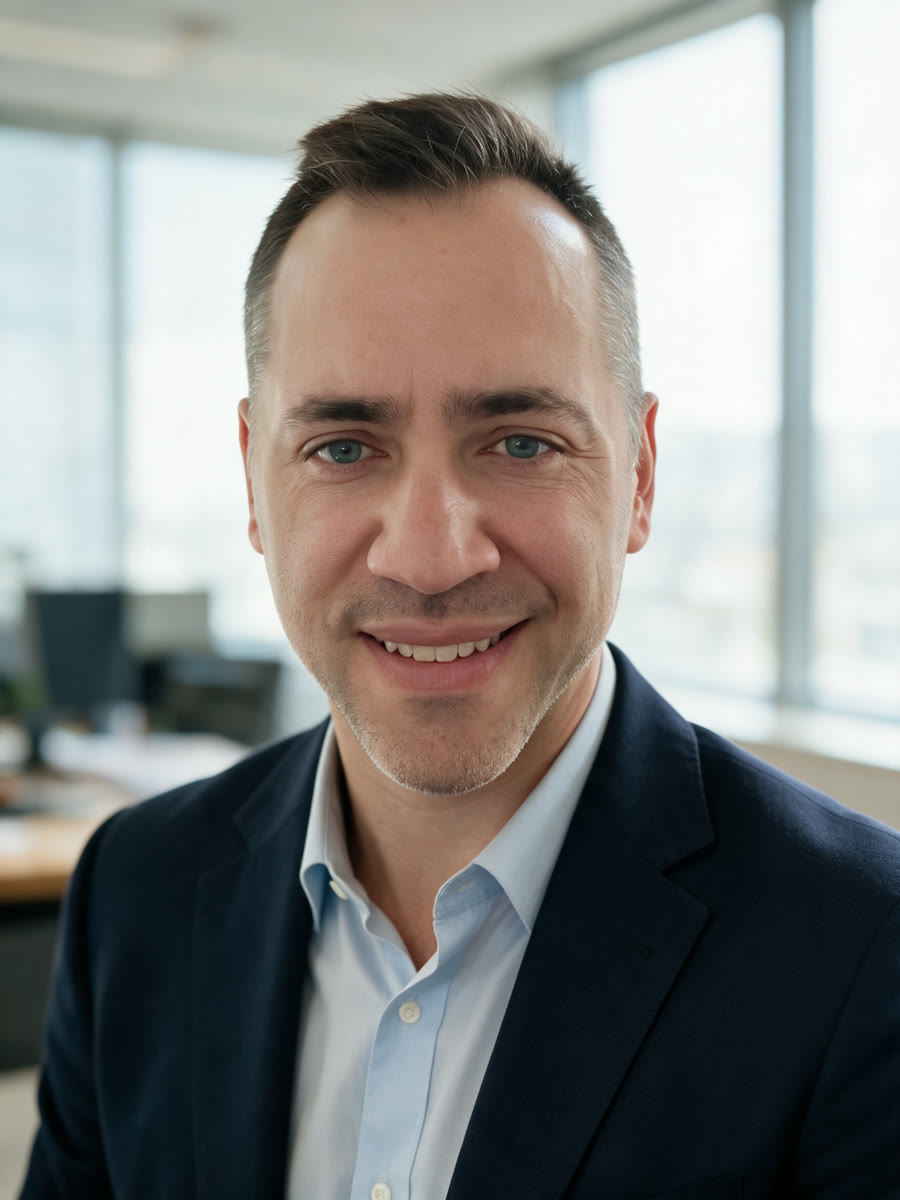
Portrait enhanced with AI
04 / The person doing the work
Engineering experience.
Curiosity about the work.
Plixo is led by Michael Ochs. His background spans AI implementation, enterprise technology and work with manufacturers, including the semiconductor industry.
I bring the engineering perspective: how systems connect, where work gets stuck, and what it takes to make an improvement usable. For biological work, that means learning the science with practitioners and defining the evidence together.
The customer's result must depend on physical work, measurement, manipulation, consumables or a qualified method we can reliably deliver.
Michael's background on LinkedInA useful place to start
Bring the bottleneck.
Let's find the next step.
Tell Michael what repeats, what it costs,
and what a better
result would look like.